



Agenda
Schedule of October 3
Registration (welcome coffee)
Agnelli Room
Introduction

Cristina Tumiatti
Business development excecutive - Sea Marconi (IT)
Agnelli Room
Keynote speech: Sustainable opportunities towards clean energy
*** Viktor Sokolov Award ***
#Sustainability #Asset #Risk #Solutions

Vander Tumiatti
General partner and Founder of Sea Marconi (Italy)
Agnelli room
For reliable operation of oil-filled electrical equipment monitoring and maintenance of insulating liquid is essential. Mineral insulating oil is the most widely used insulating liquid for cooling and insulation in oil-filled electrical equipment. The characteristics of the oil, as supplied as unused, may change during service life. Therefor, the oil quality should be monitored regularly during its service life. In many countries power companies and electrical power authorities have established codes of practice for this purpose. In general these cover monitoring guidelines and corrective actions depending on the oil status. If a certain amount of oil deterioration exceeded then the possibility and risk of premature failure should be considered. While the quantification of the risk can be very difficult, a first step involves the identification of potential effects of increased deterioration. IEC60422 is guide for supervision and maintenance of mineral insulating oils. This standard is now revised to take account of changes in oil and equipment technology and have due regards for the best practice currently in use worldwide. Changes are also made to use current methodology and comply with requirements and regulations affecting safety and environmental aspects.
For reliable operation of oil-filled electrical equipment monitoring and maintenance of insulating liquid is essential. Mineral insulating oil is the most widely used insulating liquid for cooling and insulation in oil-filled electrical equipment. The characteristics of the oil, as supplied as unused, may change during service life. Therefor, the oil quality should be monitored regularly during its service life. In many countries power companies and electrical power authorities have established codes of practice for this purpose. In general these cover monitoring guidelines and corrective actions depending on the oil status. If a certain amount of oil deterioration exceeded then the possibility and risk of premature failure should be considered. While the quantification of the risk can be very difficult, a first step involves the identification of potential effects of increased deterioration. IEC60422 is guide for supervision and maintenance of mineral insulating oils. This standard is now revised to take account of changes in oil and equipment technology and have due regards for the best practice currently in use worldwide. Changes are also made to use current methodology and comply with requirements and regulations affecting safety and environmental aspects.
#Asset #Solutions

Dr Bruce Pahlavanpour
Senior consultant - Ergon International (UK)
Agnelli room
#Asset # Risk #Solutions

Franco Salomone
Operations Chief Engineer - FM Global
Agnelli room
The carbon footprint of transformers during the life cycle, including raw materials, production, and operation stages has been analyzed. As the largest contributor to carbon footprint, the steel industry is discussed in detail. The current investments and commercial offerings for green steel are presented. The enormous challenges, the steel industry faces to reach carbon neutral status in 2050 and the revolutionary changes in steel making process are discussed. The same points are also presented for the copper, aluminum, and oil industries. Some sample carbon footprints of different transformer types (LPT, SPT, DT with copper or aluminum) are also included. As the last point, it is discussed how the transformer industry could contribute to decarbonization efforts in their factories and during the operation stage of the transformers and some suggestions have been made.
The carbon footprint of transformers during the life cycle, including raw materials, production, and operation stages has been analyzed. As the largest contributor to carbon footprint, the steel industry is discussed in detail. The current investments and commercial offerings for green steel are presented. The enormous challenges, the steel industry faces to reach carbon neutral status in 2050 and the revolutionary changes in steel making process are discussed. The same points are also presented for the copper, aluminum, and oil industries. Some sample carbon footprints of different transformer types (LPT, SPT, DT with copper or aluminum) are also included. As the last point, it is discussed how the transformer industry could contribute to decarbonization efforts in their factories and during the operation stage of the transformers and some suggestions have been made.
#Sustainability #Asset # Risk #Solutions

Ufuk Kivrak
Managing Director - SCM Consulting GmbH (Switzerland)
Agnelli room
Transformers operators usually expect long operational life for new units they purchase for their networks. Unfortunately, they can be sometimes badly disappointed when these transformers fail after just few years in service.
Diligent owners investigate the root cause of the failure to try and determine if the problem arose because of operational conditions or a mistake during manufacture. Apparently, a poorly executed procurement process can also easily contribute to problems observed later in service. Selecting a manufacturer with insufficient experience in the required design or failing to carry out design reviews or sometimes lack of in-process control can lead to a poorly designed or manufactured transformer which will be prone to fail prematurely. Our experience adopting best practice and due diligence using such resource as CIGRE brochures has helped our customers through this process.
Transformers operators usually expect long operational life for new units they purchase for their networks. Unfortunately, they can be sometimes badly disappointed when these transformers fail after just few years in service. Diligent owners investigate the root cause of the failure to try and determine if the problem arose because of operational conditions or a mistake during manufacture.
Apparently, a poorly executed procurement process can also easily contribute to problems observed later in service. Selecting a manufacturer with insufficient experience in the required design or failing to carry out design reviews or sometimes lack of in-process control can lead to a poorly designed or manufactured transformer which will be prone to fail prematurely. Our experience adopting best practice and due diligence using such resource as CIGRE brochures has helped our customers through this process.
#Sustainability #Asset # Risk #Solutions

Rafal Zaleski
Principal Engineer at Doble Engineering Company (Poland)
Agnelli Room
Q & A Session
Torino Room
Coffee & networking with exhibitors
Piemonte room
On-Load Tap Changer Diagnosis Using Vibro-Acoustic Fingerprinting
#Asset # Risk #Solutions

Thomas Renaudin
Regional Application Specialist - Omicron
Agnelli room
#Asset # Risk #Solutions

Veronika Haramija
Head of laboratory - KONČAR (Croatia)
Piemonte room
Safety as a driver from plant design to oil and transformer treatment implementation
#Sustainability #Asset #Risk #Solutions

Manuel Dal Bello
Technical sales manager - Sea Marconi (AR)
Agnelli room
The lack of dedicated industry standards and guidelines, as well as the complexity of temperature-driven dynamics and uneven moisture distribution, make the interpretation and management of moisture in the transformer’s oil/paper insulation system a challenging task. Furthermore, the change of water solubility due to oil degradation prevents an accurate assessment of absolute water content in oil, which is used to evaluate the insulating liquid quality and overall moisture state of a transformer. This paper attempts to outline a practical approach to online continuous moisture measurement and interpretation by introducing a dual probe moisture monitoring solution.
The lack of dedicated industry standards and guidelines, as well as the complexity of temperature-driven dynamics and uneven moisture distribution, make the interpretation and management of moisture in the transformer’s oil/paper insulation system a challenging task. Furthermore, the change of water solubility due to oil degradation prevents an accurate assessment of absolute water content in oil, which is used to evaluate the insulating liquid quality and overall moisture state of a transformer. This paper attempts to outline a practical approach to online continuous moisture measurement and interpretation by introducing a dual probe moisture monitoring solution.
#Asset # Risk

Dr Oleg Roizman
Managing Director - IntellPower (Australia)
Piemonte room
#Asset # Risk #Solutions

Enrico Cenghialta
Service Manager - COMEM (Italy)
Piemonte room
Products and Services of the DASOTEC World
#Asset # Risk #Solutions

David Somvi
President of DASOTEC (Italy)
Torino Room
Lunch
Agnelli Room
Trivial Transfo Quiz
Keep your phone handy and answer our questions
Agnelli room
Silver sulfide corrosion is a newly discovered cause of failure in transformer onload tap changers (OLTC). When corrosive sulfur in transformer oil reacts with the silver-coated components of the OLTC tap selector, it creates silver sulfide films. During OLTC operation, these silver sulfide flakes can detach from the tap selector and mix with the transformer oil. Since silver sulfide is a semi-conductive material, it reduces the dielectric strength in the transformer oil around the OLTC’s silver-coated contacts and wherever these particles travel in the transformer. Eventually, this can lead to oil breakdown and catastrophic failure of the OLTC, often affecting the tapping winding as well. To ensure transformer reliability, utilities are interested in detecting and mitigating silver sulfide corrosion on OLTCs. This speech discusses the formation of silver sulfide corrosion, mitigation strategies, and a risk assessment criterion using existing diagnostic techniques to determine the extent of silver sulfide corrosion in transformers.
Silver sulfide corrosion is a newly discovered cause of failure in transformer onload tap changers (OLTC). When corrosive sulfur in transformer oil reacts with the silver-coated components of the OLTC tap selector, it creates silver sulfide films. During OLTC operation, these silver sulfide flakes can detach from the tap selector and mix with the transformer oil. Since silver sulfide is a semi-conductive material, it reduces the dielectric strength in the transformer oil around the OLTC’s silver-coated contacts and wherever these particles travel in the transformer. Eventually, this can lead to oil breakdown and catastrophic failure of the OLTC, often affecting the tapping winding as well. To ensure transformer reliability, utilities are interested in detecting and mitigating silver sulfide corrosion on OLTCs. This speech discusses the formation of silver sulfide corrosion, mitigation strategies, and a risk assessment criterion using existing diagnostic techniques to determine the extent of silver sulfide corrosion in transformers.
#Asset # Risk #Solutions

Dr. Sameera Samarasinghe
Asset Strategy Engineer - Energy Queensland (Australia)
Agnelli room
This paper will briefly introduce DVtest (DRM – Dynamic Resistance Measurement) method for testing on-load tap changers (OLTCs) and will provide valuable information about different faults in tap changers that can be determined using this non-intrusive test method. Special attention will be given to the detection of bad contacts inside OLTCs, created either by layers of insulation such as silver sulfide deposits, or by weak mechanical connections between tap changer contacts. Two case studies of OLTCs with bad contacts will be presented in the paper
This paper will briefly introduce DVtest (DRM – Dynamic Resistance Measurement) method for testing on-load tap changers (OLTCs) and will provide valuable information about different faults in tap changers that can be determined using this non-intrusive test method. Special attention will be given to the detection of bad contacts inside OLTCs, created either by layers of insulation such as silver sulfide deposits, or by weak mechanical connections between tap changer contacts. Two case studies of OLTCs with bad contacts will be presented in the paper
#Asset # Risk #Solutions

Vojko Mrdic
Application engineer - DV Power (Sweden)
Agnelli room - REMOTELY CONNECTED
The text outlines a maintenance strategy to prevent the loss of large transformers caused by corrosive sulfur. The strategy was developed based on international standards and tailored to the local context. The article describes the decision tree for the choice of the most effective long-term mitigation technique, which turned out to be selective depolarization. This technique has been proven to remove DBDS and oil corrosive compounds and restore all chemical and physical properties of the oil, even after a year.
The text outlines a maintenance strategy to prevent the loss of large transformers caused by corrosive sulfur. The strategy was developed based on international standards and tailored to the local context. The article describes the decision tree for the choice of the most effective long-term mitigation technique, which turned out to be selective depolarization. This technique has been proven to remove DBDS and oil corrosive compounds and restore all chemical and physical properties of the oil, even after a year.
#Sustainability #Asset # Risk #Solutions

Omar Ali Al-Ghamdi
Director of GCC Technical Services - GCC Lab (Saudi Arabia)
Agnelli Room
Q & A Session
Torino Room
Coffee & networking with exhibitors
Agnelli room
Additives in natural esters: what, when, how, and why
#Risk #Solutions

Riccardo Maina
Laboratory Manager - Sea Marconi (Italy)
Agnelli room
Bubble formation from transformer winding insulation is a failure mechanism which may occur from a rapid temperature rise during an overload scenario. With the integration of carbon neutral renewable energy sources and the electrification of transport and heating, transformers may face unpredictable load patterns with high fluctuations where overloading could become necessary due to economic reasons or simply to ensure continuous energy supply. Overloading could lead to excessive hot-spot temperatures and bubble formation which may trigger discharges or even insulation breakdown of transformers. A well-known constraint for bubble formation, mentioned in IEC and IEEE standards, is a hot-spot temperature of 140 °C with a water content of 2 % in paper insulation, for oil immersed power transformers. This work introduces the state-of-art laboratory experimental investigations of impacting parameters on bubble formation, discusses transformer thermal and ageing behaviours, and looking into the potential failure risks and mitigation measures.
Bubble formation from transformer winding insulation is a failure mechanism which may occur from a rapid temperature rise during an overload scenario. With the integration of carbon neutral renewable energy sources and the electrification of transport and heating, transformers may face unpredictable load patterns with high fluctuations where overloading could become necessary due to economic reasons or simply to ensure continuous energy supply. Overloading could lead to excessive hot-spot temperatures and bubble formation which may trigger discharges or even insulation breakdown of transformers. A well-known constraint for bubble formation, mentioned in IEC and IEEE standards, is a hot-spot temperature of 140 °C with a water content of 2 % in paper insulation, for oil immersed power transformers. This work introduces the state-of-art laboratory experimental investigations of impacting parameters on bubble formation, discusses transformer thermal and ageing behaviours, and looking into the potential failure risks and mitigation measures.
#Asset # Risk

Christian Pößniker
PhD Researcher at the University of Exeter (UK/Germany)
Agnelli Room
Closing of the day
Meeting in front of the UI Congress Center and transfer by bus to the Royal Palace of Turin
Visit of Palazzo Reale by night
Transfer by bus to the Circolo Experia Restaurant for dinner
Networking dinner and live music evening
Transfer by bus to Centro congresso Unione Industriale and to Holiday Inn (only for speakers)
Schedule of October 4
Agnelli room
BIOTRAFO project proposes a study to generate knowledge on the temperature in the windings of transformers when using biodegradable liquids, which by their nature are more viscous. This temperature is a critical factor for the useful life of the transformer, due to the aging of dielectric solid materials. The aging of these materials when immersed in these liquids will also be analyzed. Not only the question will be observed from a theoretical perspective, industrial platforms will also be used to test the generated models.
BIOTRAFO project proposes a study to generate knowledge on the temperature in the windings of transformers when using biodegradable liquids, which by their nature are more viscous. This temperature is a critical factor for the useful life of the transformer, due to the aging of dielectric solid materials. The aging of these materials when immersed in these liquids will also be analyzed. Not only the question will be observed from a theoretical perspective, industrial platforms will also be used to test the generated models.
#Sustainability #Asset # Risk #Solutions

Alfredo Ortiz-Fernández
Professor - University of Cantabria (Spain)
Agnelli room
Photovoltaic plants, the role of transformers and related design key points in Renewable Energy
#Sustainability #Asset # Risk

Fabrizio Ferrari
Senior Consultant, ANIE Energia - Chairman of Transformers Group (Italy)
Agnelli room
The power industry is always changing, whether it be the technology of the equipment through to the context of business decisions and asset management. The growth in renewables, particularly remote or offshore sites, has led to a focus on reliability as the costs of intervention are usually punitive; sending out a team to inspect and maintain a windfarm transformer is costly. Consequently, operators look to reduce such activity, whether related to maintenance/inspection of the primary assets, or to manage the ancillary equipment, such as protection devices and condition monitoring.
Condition monitoring is a powerful tool which can provide great value in supporting decisions related to transformer health: can we detect and diagnose any failure modes presently in operation, and if so, how long do we have? Traditional approaches to transformer monitoring have concentrated on dissolved gas analyses (DGA) for the transformer oil and bushings, as the latter are a significant cause of failures across the industry; additional monitoring through partial discharge (PD) is also of great diagnostic value, but interpretation of such data is far more complex.
We will share practical cases from a range of applications and look at lessons learned: including the need for data with appropriate accuracy/precision for the decision to be made, but also the need for reliable monitors on unstaffed sites.
For online dissolved gas analysis, examples include:
- ‘Detector’ DGA devices indicating a change in status, but only at a ‘low’ level; a contextual analysis led to laboratory samples being taken in a risk managed manner, subsequent electrical testing and internal inspection, which, ultimately, saved the transformer from catastrophic failure
- Multigas DGA devices which may be applied to a variety of oil types but which require a lab sample for confirmation of findings and diagnoses, including a case in the USA where the transformer failed while confirmatory samples were being taken
- Multigas DGA devices used to make diagnostic decisions in ‘real time’ without requiring subsequent samples
For online bushing monitoring, examples include:
- The pros and cons of sum current analyses for detection/diagnostics of bushing issues
- Demonstration of the need for tracking data from raw measurements through to the derived values, to ensure good diagnostics
- Relative and true power factor cases where complementary approaches aid in diagnostics and tracking of deterioration over time
- Unexpected data where a bushing deteriorates but then seems to improve, while at another location four bushings seem to go bad simultaneously
- The role of partial discharge (PD) as a detector and diagnostic for bushings
In addition some PD cases which demonstrate the need for expert support while interpreting data and supporting decisions.
Condition monitoring can be likened to a chain saw – when well used you get the job done quickly and efficiently; when misused, you may end up hurting yourself and the environment. The cases presented here are real cases, with real consequences, which ‘played out’ in real time. The successful cases are those where an agreed action plan was in place at monitor installation, and where the plan was subsequently followed.
The power industry is always changing, whether it be the technology of the equipment through to the context of business decisions and asset management. The growth in renewables, particularly remote or offshore sites, has led to a focus on reliability as the costs of intervention are usually punitive; sending out a team to inspect and maintain a windfarm transformer is costly. Consequently, operators look to reduce such activity, whether related to maintenance/inspection of the primary assets, or to manage the ancillary equipment, such as protection devices and condition monitoring.
Condition monitoring is a powerful tool which can provide great value in supporting decisions related to transformer health: can we detect and diagnose any failure modes presently in operation, and if so, how long do we have? Traditional approaches to transformer monitoring have concentrated on dissolved gas analyses (DGA) for the transformer oil and bushings, as the latter are a significant cause of failures across the industry; additional monitoring through partial discharge (PD) is also of great diagnostic value, but interpretation of such data is far more complex.
We will share practical cases from a range of applications and look at lessons learned: including the need for data with appropriate accuracy/precision for the decision to be made, but also the need for reliable monitors on unstaffed sites.
For online dissolved gas analysis, examples include:
- ‘Detector’ DGA devices indicating a change in status, but only at a ‘low’ level; a contextual analysis led to laboratory samples being taken in a risk managed manner, subsequent electrical testing and internal inspection, which, ultimately, saved the transformer from catastrophic failure
- Multigas DGA devices which may be applied to a variety of oil types but which require a lab sample for confirmation of findings and diagnoses, including a case in the USA where the transformer failed while confirmatory samples were being taken
- Multigas DGA devices used to make diagnostic decisions in ‘real time’ without requiring subsequent samples
For online bushing monitoring, examples include:
- The pros and cons of sum current analyses for detection/diagnostics of bushing issues
- Demonstration of the need for tracking data from raw measurements through to the derived values, to ensure good diagnostics
- Relative and true power factor cases where complementary approaches aid in diagnostics and tracking of deterioration over time
- Unexpected data where a bushing deteriorates but then seems to improve, while at another location four bushings seem to go bad simultaneously
- The role of partial discharge (PD) as a detector and diagnostic for bushings
In addition some PD cases which demonstrate the need for expert support while interpreting data and supporting decisions.
Condition monitoring can be likened to a chain saw – when well used you get the job done quickly and efficiently; when misused, you may end up hurting yourself and the environment. The cases presented here are real cases, with real consequences, which ‘played out’ in real time. The successful cases are those where an agreed action plan was in place at monitor installation, and where the plan was subsequently followed.
#Sustainability #Asset # Risk #Solutions

Dr Tony McGrail
Solutions Director at DOBLE Engineering (US)
Agnelli room
The involvement of reactive and insulating materials in predictive diagnostics for transformers
#Risk #Solutions
Riccardo Maina
Laboratory Manager - Sea Marconi (Italy)
Torino Room
Coffee & networking with exhibitors
Agnelli room
The history of transformer testing is probably as old or even older than the history of transformers. From its very first appearance in the industry, researchers, manufacturers, and owners have relied on a robust design to comply with and satisfy the field application safely and reliably. Testing can be divided into two major groups. The first one will look at the electro-magnetic characteristics, also known as performance characteristics of a transformer and the second one will look into the dielectric condition of the insulation materials. Throughout this document, a compendium of best practices for field testing of power and distribution transformers is covered. The author will follow the guidelines provided in the international standards (IEEE, CIGRE) highlighting novel methodologies and best practices that have evolved to improve the transformer’s diagnostics and condition assessment, minimize the risk of failure, extend the life of the transformer and support the continuous, stable and efficient operation of the power grid.
The history of transformer testing is probably as old or even older than the history of transformers. From its very first appearance in the industry, researchers, manufacturers, and owners have relied on a robust design to comply with and satisfy the field application safely and reliably. Testing can be divided into two major groups. The first one will look at the electro-magnetic characteristics, also known as performance characteristics of a transformer and the second one will look into the dielectric condition of the insulation materials. Throughout this document, a compendium of best practices for field testing of power and distribution transformers is covered. The author will follow the guidelines provided in the international standards (IEEE, CIGRE) highlighting novel methodologies and best practices that have evolved to improve the transformer’s diagnostics and condition assessment, minimize the risk of failure, extend the life of the transformer and support the continuous, stable and efficient operation of the power grid.
#Asset # Risk #Solutions

Dr Diego Robalino
Global Industry Director - Utilities Transformers - Megger Group (USA)
Agnelli room
The use of natural esters is becoming increasingly popular for reasons of transformer life extension, biodegradability, and fire risk. The significantly reduced carbon footprint of ester fluids versus mineral oil is another highly appreciated attribute in terms of sustainability. Many transformers in service, originally designed for mineral oil, could be converted to natural (vegetable) or synthetic ester. Unfortunately, current international standards give only generic information about the refilling practice.
This report shows the results of test experience finalized to identify the best technique for assessing the residual oil quantity after the replacement of mineral oil with natural ester (so called memory effect), and then describes the refilling practice applied on breathing distribution transformers, designed to minimise the memory effect and ensure the reliability of the transformer and the insulating liquid.
The use of natural esters is becoming increasingly popular for reasons of transformer life extension, biodegradability, and fire risk. The significantly reduced carbon footprint of ester fluids versus mineral oil is another highly appreciated attribute in terms of sustainability. Many transformers in service, originally designed for mineral oil, could be converted to natural (vegetable) or synthetic ester. Unfortunately, current international standards give only generic information about the refilling practice.
This report shows the results of test experience finalized to identify the best technique for assessing the residual oil quantity after the replacement of mineral oil with natural ester (so called memory effect), and then describes the refilling practice applied on breathing distribution transformers, designed to minimise the memory effect and ensure the reliability of the transformer and the insulating liquid.
#Sustainability #Asset #Risk #Solutions

Riccardo Actis
Chief Operation Manager - Sea Marconi (Italy)
Agnelli room
The use of natural esters coupled with solid insulating materials of higher performance (like aramid Nomex® insulation) provides the best solution for more flexible and resilient transformers. Many renewable energy production plants require transformers that use biodegradable and sustainable liquids. They are also becoming more and more popular solution in urban substations due to the safety of these liquids in case of fire, as compared to traditional mineral oils. The use of natural esters has grown exponentially even if initially it was limited to small distribution and industrial transformers only. The continuous improvements in formulations of new esters and careful evaluations of new liquids in new transformer applications results in a wider acceptance of ester liquids in power transformers. After successful pilot projects, the transmission companies or other users of large power transformers consider project specifications with broader use of natural ester liquids. This publication provides selected physio-chemical characteristics of a new natural ester liquid Paryol Electra 7426 available for power transformers. This type of data is important for transformer designers and users, especially when ester liquids find application in larger and larger power transformers and with higher and higher rated voltages. Providing properly developed material characterization is then critical for reliable long-term performance of these transformers. An important part of insulation material characterization is its thermal performance in various insulation systems combining different solid materials and liquids. It supports developing adequate design rules for transformers using those specific combination of materials as indicated in IEC 60076-14. This publication presents an example of thorough evaluation of insulation system thermal properties following the established and standardized test method as per IEEE Std. C57.100. Additionally, the results will be validated and certified by a 3rd party certification company to ensure the highest quality of the generated test data. The obtained temperature index for the evaluated insulation system with natural ester shows improvement of the thermal performance of the aramid enhanced thermally upgraded paper as compared to the historical aging test data of this same paper in mineral oil. This confirms the assumptions for ester liquids improving the performance of cellulose based insulating papers in liquid-immersed systems. However, this improvement may be different for diverse types of papers and liquids. In order to better understand the performance of other insulation systems, more thermal evaluations are planned for alternative systems with different solid materials and liquids combinations.
The use of natural esters coupled with solid insulating materials of higher performance (like aramid Nomex® insulation) provides the best solution for more flexible and resilient transformers. Many renewable energy production plants require transformers that use biodegradable and sustainable liquids. They are also becoming more and more popular solution in urban substations due to the safety of these liquids in case of fire, as compared to traditional mineral oils. The use of natural esters has grown exponentially even if initially it was limited to small distribution and industrial transformers only. The continuous improvements in formulations of new esters and careful evaluations of new liquids in new transformer applications results in a wider acceptance of ester liquids in power transformers. After successful pilot projects, the transmission companies or other users of large power transformers consider project specifications with broader use of natural ester liquids. This publication provides selected physio-chemical characteristics of a new natural ester liquid Paryol Electra 7426 available for power transformers. This type of data is important for transformer designers and users, especially when ester liquids find application in larger and larger power transformers and with higher and higher rated voltages. Providing properly developed material characterization is then critical for reliable long-term performance of these transformers. An important part of insulation material characterization is its thermal performance in various insulation systems combining different solid materials and liquids. It supports developing adequate design rules for transformers using those specific combination of materials as indicated in IEC 60076-14. This publication presents an example of thorough evaluation of insulation system thermal properties following the established and standardized test method as per IEEE Std. C57.100. Additionally, the results will be validated and certified by a 3rd party certification company to ensure the highest quality of the generated test data. The obtained temperature index for the evaluated insulation system with natural ester shows improvement of the thermal performance of the aramid enhanced thermally upgraded paper as compared to the historical aging test data of this same paper in mineral oil. This confirms the assumptions for ester liquids improving the performance of cellulose based insulating papers in liquid-immersed systems. However, this improvement may be different for diverse types of papers and liquids. In order to better understand the performance of other insulation systems, more thermal evaluations are planned for alternative systems with different solid materials and liquids combinations.
#Sustainability #Asset # Risk #Solutions

Fabio Scatiggio
Senior Technical Advisor - A&A Fratelli Parodi (Italy)
Torino Room
Lunch
Agnelli room
#Asset # Risk #Solutions

James Reid
Technical Manager - M&I Materials (UK)

Roberto Fernández
Application Engineering Leader - Cargill (Spain)
Dr Bruce Pahlavanpour
Senior consultant - Ergon International (UK)
Fabio Scatiggio
Senior Technical Advisor - A&A Fratelli Parodi (Italy)
Agnelli room
Performing oil sampling on Oil Impregnated Paper (OIP) and many Resin Bonded Paper (RBP) high voltage capacitive bushings, as utility we got significant amount of data over decades. Using mostly centiles on different Dissolved Gas Analysis (DGA) and classifying it, it enables us to set useful criteria for bushing fleet assessment conditional maintenance or immediate removal decision. A few examples of those centiles will be presented and compared to the few standards existing on this specific topic.
Performing oil sampling on Oil Impregnated Paper (OIP) and many Resin Bonded Paper (RBP) high voltage capacitive bushings, as utility we got significant amount of data over decades. Using mostly centiles on different Dissolved Gas Analysis (DGA) and classifying it, it enables us to set useful criteria for bushing fleet assessment conditional maintenance or immediate removal decision. A few examples of those centiles will be presented and compared to the few standards existing on this specific topic.
#Asset #Solutions

Jean Sanchez
Transformer Engineer - EDF (France)
Agnelli room
Challenging Aspects in Technologies and Design of High Voltage Transformer Bushings
#Sustainability #Asset # Risk

Armando Pastore
Bushings Product & Technology Leader - GE Renewable Energy (Italy)
Agnelli room
#Asset # Risk #Solutions

Diego Pattaro
CEO - DASOTEC (Italy)
Agnelli room
100 MVA transformer upgrading for noise reduction and better performance – calculation – studies – noise reduction – new cooling upgrading – new indoor installation – point of view on oil treatment – conclusions
100 MVA transformer upgrading for noise reduction and better performance – calculation – studies – noise reduction – new cooling upgrading – new indoor installation – point of view on oil treatment – conclusions
#Asset # Risk #Solutions

Michel Donnadieu Bellon
Business Development - JST Maintenance (France)
Agnelli Room
Q & A Session
Agnelli room
A Group vision of natural synergies
#Sustainability #Asset # Risk #Solutions

Riccardo Pedriali
Sustainability manager - A&A F.lli Parodi
Agnelli Room
Closing of the Meeting
Schedule of October 5, 2023
Visit to Sea Marconi Company Headquarter
Visit to the headquarters of the Sea Marconi (via Ungheria 20, Collegno – Turin)
Please note that transportation to the Sea Marconi venue is the responsibility of each participant
Interventi divisi per tipologia
Scegli in qualunque momento quale intervento seguire (sala Piemonte o sala Agnelli) sulla base del titolo o della tipologia
- MasterClass (alta formazione professionale)
- General session (contenuti trasversali)
- Case study (casi di studio reali o ricerche scientifiche)
- Tutorial / Demo (dimostrazioni pratiche)
- Round table
- Sponsored (presentazioni sponsorizzate)
- Sessione Domande e Risposte
Mappa della location
Clicca qui sotto per vedere gli spazi della location del My Transfo 2023
Click here
 James Reid holds a MSc Reliability Engineering & Safety Management from Heriot Watt University and a BEng Chemical Engineering from University of Edinburgh. He has been a chartered Chemical Engineer with the IChemE since 2002 and is also a member of ASTM. Based in the UK, James leads the technical applications team providing global support for all the ester-based products manufactured by global specialty materials company M&I Materials, including the MIDEL range of dielectric liquids. Prior to joining the technical team at M&I Materials in 2019, James has over two decades experience in technical and operational management roles with major UK utility, leading international chemical, and specialist oil companies.
 Ufuk Kivrak has BS and MS degrees in mechanical engineering. He has more than 25 years of industrial experience in transformers and power grid industries. He has worked for ABB in several management positions in Turkey, Thailand and Switzerland. He has led Supply Chain Management organization of ABB Transformer business globally from 2003 to 2015, which included explosive growth of transformer market from 2003 to 2008, which was followed by a market collapse in 2009 and onwards. In 2015, he has joined Alstom Grid as VP-Strategic Sourcing and continued as Head of Strategic Sourcing in GE Grid Solutions after Alstom was acquired by GE. Currently he is Managing Director of SCM Consulting GmbH.
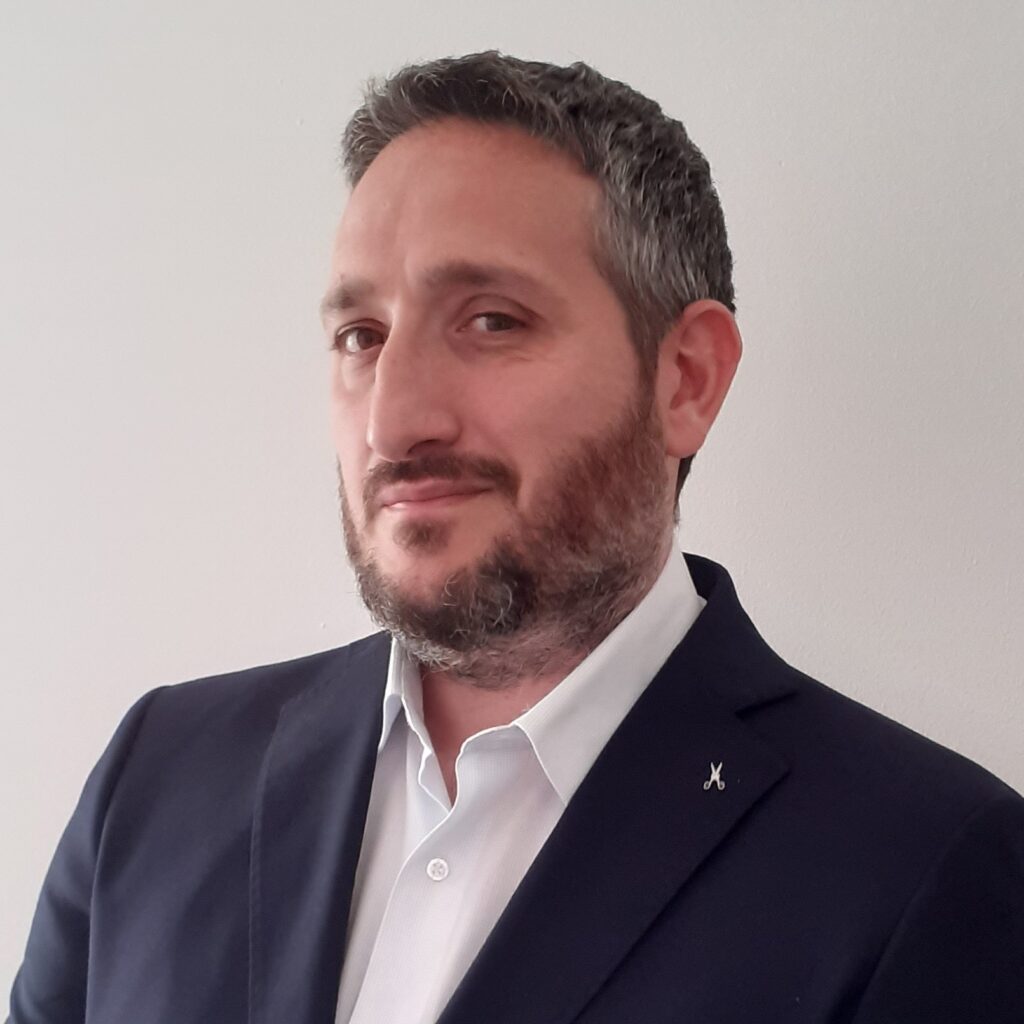 Armando Pastore received his mechanical engineering master’s degree from University of Naples Federico II. After the graduation he had different experiences in automotive and railway sectors. He joined the power grid business sector in 2012 working as R&D mechanical engineer and product industrialization with special focus on transformer and wall bushings for HVDC application. Since 2015 he has been working at GE Grid Solution covering different roles as engineering manufacturing, production, technical and product manager. In 2022 he has been appointed chair for Italy SC 36A – Insulated bushings.
 Vojko Mrdic has been working as applications engineer in transformer testing group at DV Power, a well-known manufacturer of test and measurement equipment for electric power industry. His responsibilities include development of new methods for transformer testing, providing technical support to DV Power customers, as well as performing on-site field testing. Before joining DV Power 13 years ago, he had been working at the large apparatus manufacturer Energoinvest RAOP for 1 year as a junior engineer in circuit breakers and instrument transformers development department. Vojko has a BSc diploma degree in electrical engineering from the University of East Sarajevo.
 Roberto Fernández is an experienced Electrical Engineer who has spent most of his career on the transformer design field and R&D activities focused on the magneto-electric and thermal design for a wide range of transformer applications. He is member of the IEC, CIGRE and several national and international working groups. He is currently the Application Technical Leader at Cargill Bioindustrial.
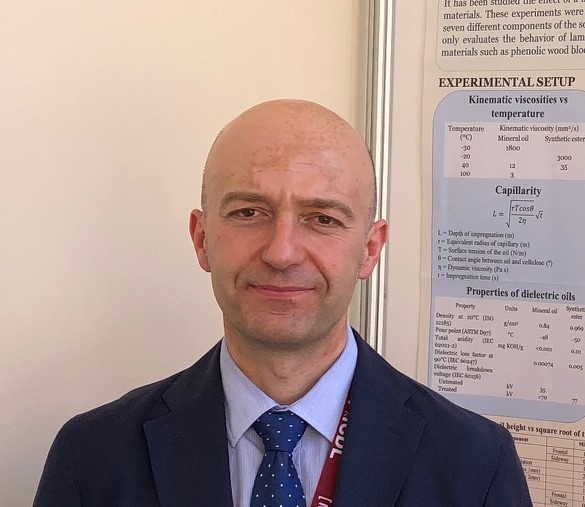 Alfredo Ortiz Fernández is Professor in the area of Electrical and Energy Engineering at the University of Cantabria.
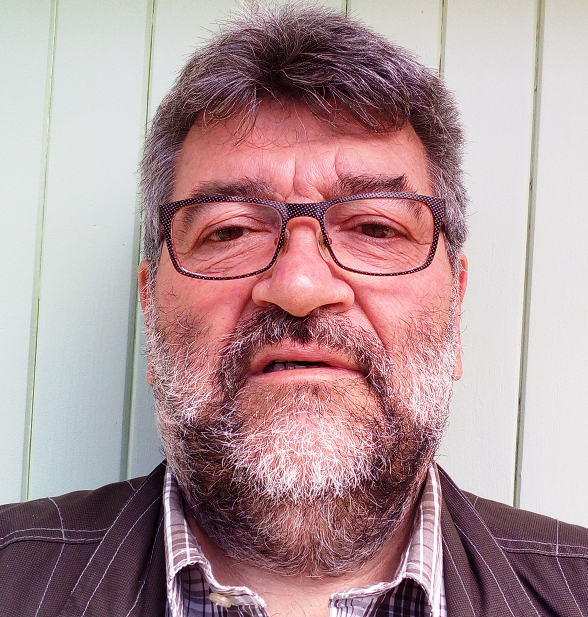 Field Service engineer since 1976 working for Merlin-Gerin on GIS Switchgear, Schneider Electric Equipment, JST Tranformateurs , following in SIEMENS as African Aera sales Manager and JST Maintenance as business development
 Dr. Sameera completed his Bachelor of Science in Engineering (Honors) and Master of Science in Electrical and Electronic Engineering at the University of Peradeniya, Sri Lanka. After graduating, he worked as a High Voltage Laboratory Instructor at the University of Peradeniya and as a Research Assistant in the Condition Monitoring Team at the Engineering Design Centre. He then pursued his PhD at the University of Queensland, Australia. Following that, he joined the same university as a postdoctoral research fellow, where he investigated the use of drone footage and Machine Learning technologies for detecting overhead conductor defects. After completing his fellowship, he became a consultant at EA Technology, one of the world’s leading asset management consultancy service providers. Currently, he works as an asset strategy engineer at Energy Queensland, the largest distribution network service provider in Australia.
 Fabrizio Ferrari was born in Pavia (Italy) in 1968. He is a Senior Consultant for CESI, for some major Utilities (e.g. EGP, A2A) and for transformer manufacturers. He has experience in small, medium and large power transformers and the main HV, MV and LV components. Previous experience as Quality and Environmental Management Systems Responsible in Italian leader transformer manufacturer Groups. Member of IEC/CEI TC 10, TC 14, TC 36 and TC 68, member of CENELEC TC 14, member of CIGRE A.2 and T&D Europe. Chairman of “Transformers Group” in ANIE Energia (Federation associated to Confindustria).